Revspire blog
The Complete 2026 Guide to Technology for ABS for Revenue Leaders
A practical guide to technology for account-based selling, covering ownership, playbooks, measurement, weekly reviews, implementation, and common mistakes.
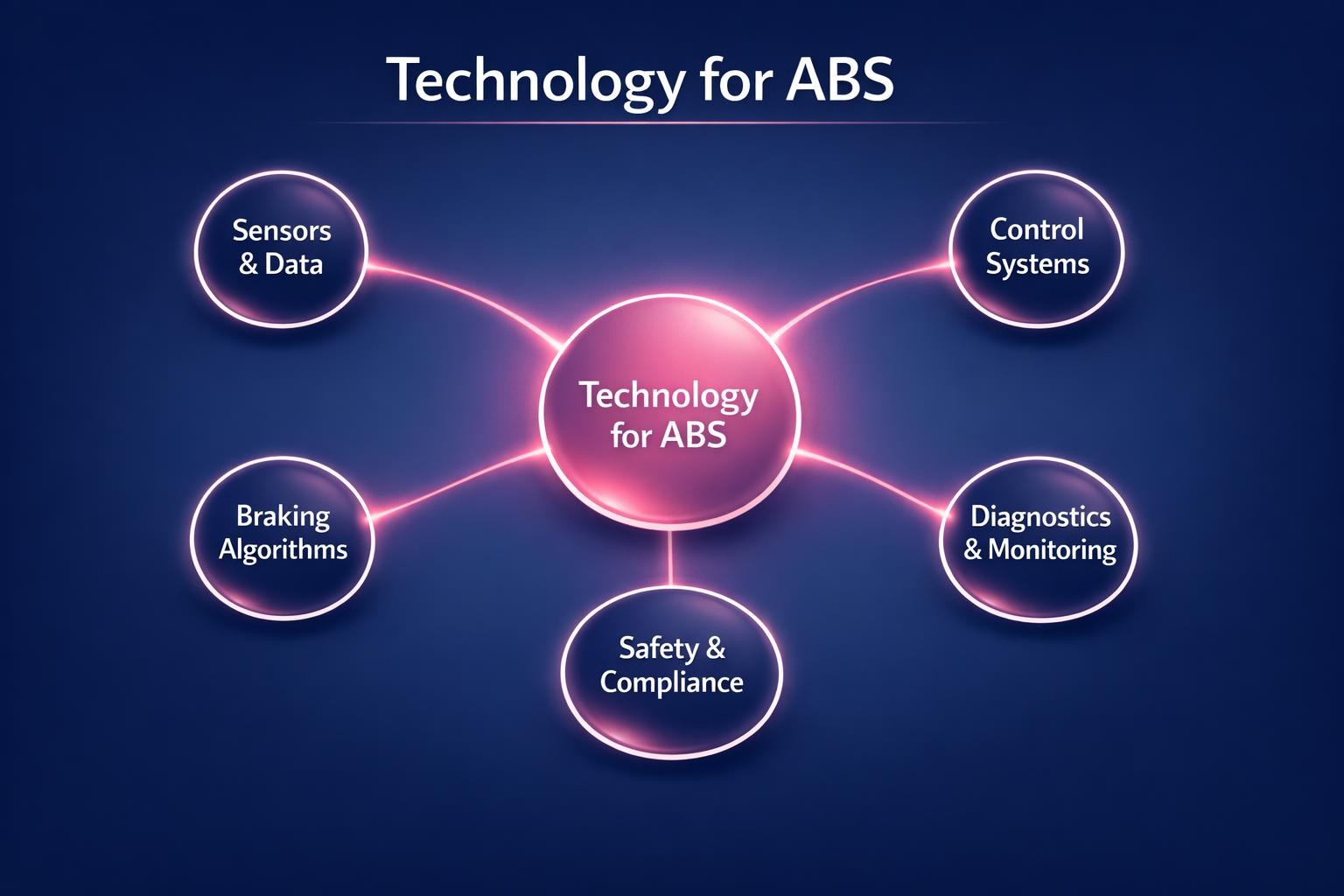
This guide presents a practical operating framework for technology used in account-based selling (ABS). Use it to organize ownership, playbooks, technology, measurement, weekly reviews, and improvement work.
Build the Operating Foundation
Assign ownership
Name an owner for the operating model. Define the goals, responsibilities, review schedule, and decision process so the approach can be maintained over time.
Document the process
Write down the milestones, required actions, decision criteria, and accountable roles for each deal stage. Keep the playbook accessible to representatives and managers, and review it when new information from completed deals becomes available.
Evaluate the technology layer
The technology layer for Technology for ABS should reduce friction, not add it. Review each tool according to the work it supports, the information it provides, and the manual steps it requires.
Technology should serve the account based selling technology stack process, not define it. For product information, review Revspire Account Intelligence.
Audit and Implement the Framework
Establish a baseline
Pull the last six months of deal data. Review the records by representative, segment, deal size, stage, and outcome. Use the audit to choose two or three priorities rather than redesigning every part of the process at once.
Define useful measures
Select a small set of leading and lagging indicators for the operating review. Candidate measures from the source playbooks include stakeholder engagement, content consumption, mutual action plan progression, deal velocity, win rate, cycle time, average deal size, and quota attainment.
Create a review cadence
Use weekly reviews to examine current opportunities, changes in deal information, and the next actions under consideration. Give each priority a clear owner, a measurable goal, and a 90-day review cadence.
Three-part explainer: Expose the hidden cost, Build the business case, and Start where it matters.
Apply the Framework in Weekly Work
Set shared standards
Define what expected execution looks like at each stage. Use the same milestones and vocabulary in pipeline reviews, coaching conversations, and playbook updates.
Review live opportunities
Use deal-level coaching to examine current opportunities and identify where the documented process is not being followed or where the process itself needs revision.
Capture feedback
Record observations from won and lost deals through interviews, CRM analysis, and structured reviews. Feed relevant findings into playbooks, coaching, and strategy.
Three-part explainer: Set the standard, Embed the practice, and Scale what works.
Avoid Common Operating Mistakes
Treating the work as a one-time project
Maintain an owner, standing reviews, defined measures, and scheduled improvement work after the initial rollout.
Using isolated examples as the operating baseline
Compare observations from individual deals with the wider set of reviewed opportunities before changing the playbook.
Depending on one stakeholder relationship
Map relevant stakeholders, assign coverage, and include stakeholder participation in deal reviews.
Confusing activity with progress
Measure outcomes, not activities. Review stage progression, deal velocity, engagement quality, stakeholder coverage, and documented buyer commitments alongside activity counts.
Skipping loss reviews
Use a structured review for significant lost deals, document the process or execution issues identified, and decide whether the playbook should change.
Choose the Next Step
Begin with the audit, select a limited set of priorities, assign ownership, and review the results on a defined schedule.