Future of Sales Technology: 7 Strategies the Top Revenue Teams Use in 2026
A practical perspective for connecting this idea to your revenue team’s next move.
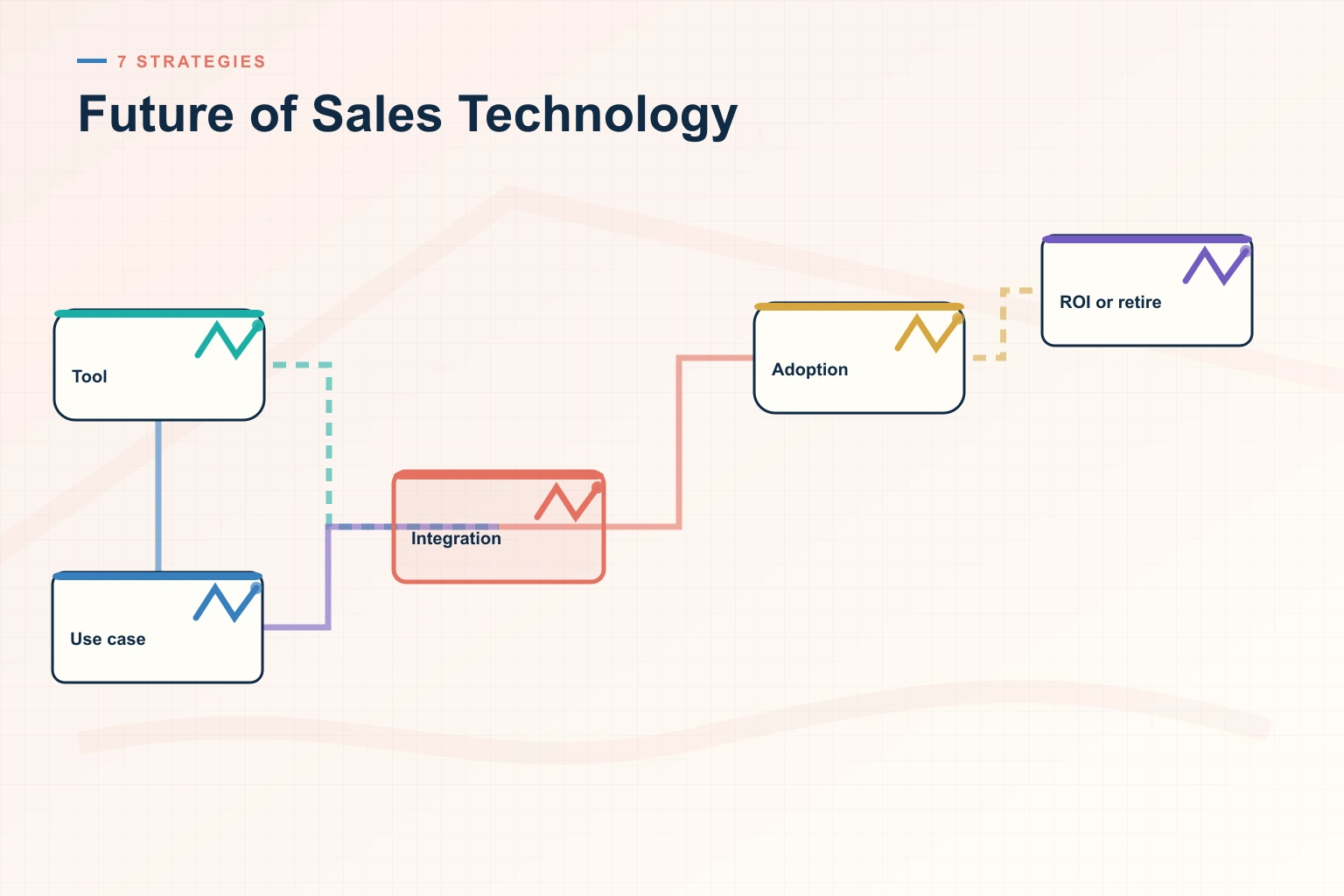
Future sales technology works best as an ongoing operational discipline rather than a one-time initiative. Revenue teams can make the approach more consistent by defining standards, tracking useful signals, coaching live opportunities, aligning technology with the process, and learning from deal outcomes.
Start with an honest audit
Before changing the operating model, review recent opportunities against the existing deal stages. Identify where weak opportunities enter the pipeline, where qualified deals stall, and where process failures emerge late. Compare the data with the prevailing internal narrative, then give each prioritized improvement a clear owner, measurable goal, and review cadence.
Seven strategies for future sales technology
1. Define what great execution looks like
Document the actions, milestones, evidence, and exit criteria expected at each deal stage. A shared definition gives managers and reps a consistent basis for coaching, measurement, and improvement.
2. Use leading and lagging indicators together
Lagging indicators such as win rate, cycle time, average deal size, and quota attainment describe outcomes. Leading indicators can help teams identify where intervention may still affect an active opportunity. Relevant signals can include stage progression, time in stage, buyer engagement, stakeholder coverage, content consumption, and mutual action plan progression.
3. Embed reviews into the weekly cadence
Make future sales technology part of the regular pipeline rhythm. Use the review to determine what should change next, rather than treating it as a status update. Connect the discussion to coaching and territory reviews so identified risks have clear follow-up actions.
4. Coach against live opportunities
Deal-level coaching lets managers compare an active opportunity with agreed stage criteria, identify where execution is breaking down, and work through a specific next action with the rep.
5. Capture win-loss intelligence
Capture insights from won and lost deals through post-deal interviews, CRM analysis, and structured reviews. Document relevant process breakdowns and feed the findings back into playbooks, coaching, training, and strategy.
6. Align technology with the process
Technology should support the operating model, not define it. Evaluate whether each tool reduces friction, supports high-value work, and makes current data available without unnecessary manual updates. Data should flow across the CRM, engagement platform, and deal-room workflow.
Revspire Revenue Platform is presented in the source material as a platform for centralizing deal signals, content, stakeholder intelligence, and next actions.
Define the system, operationalize the workflow, and measure the impact.
7. Create a continuous improvement loop
Review metrics against targets, update playbooks when the team learns something new, and incorporate buyer feedback where available. This creates a recurring loop: define the standard, observe execution, learn from outcomes, and revise the standard.
Set the standard, embed the practice, and scale what works.
Avoid common execution mistakes
Activity volume does not necessarily indicate deal progress. Stage progression, buyer engagement quality, and stakeholder coverage can provide a more useful basis for coaching and pipeline reviews.
Stakeholder concentration is another source of risk. If an opportunity depends on one active relationship, the deal can be disrupted when that contact disengages, changes roles, or leaves. Map the buying committee, assign coverage, and flag opportunities with only one active contact for review.
Recognize the leak, correct the behavior, and prevent repeat failure.
Evaluating the rest of your sales stack? Our roundup of the best B2B sales tools and software compares the main tool categories side by side.