Revspire blog
How to Improve AI and Deal Velocity and Close More B2B Deals in 2026
Improve AI and deal velocity with clear ownership, deal audits, meaningful metrics, stakeholder coverage, coaching, and structured win-loss reviews.
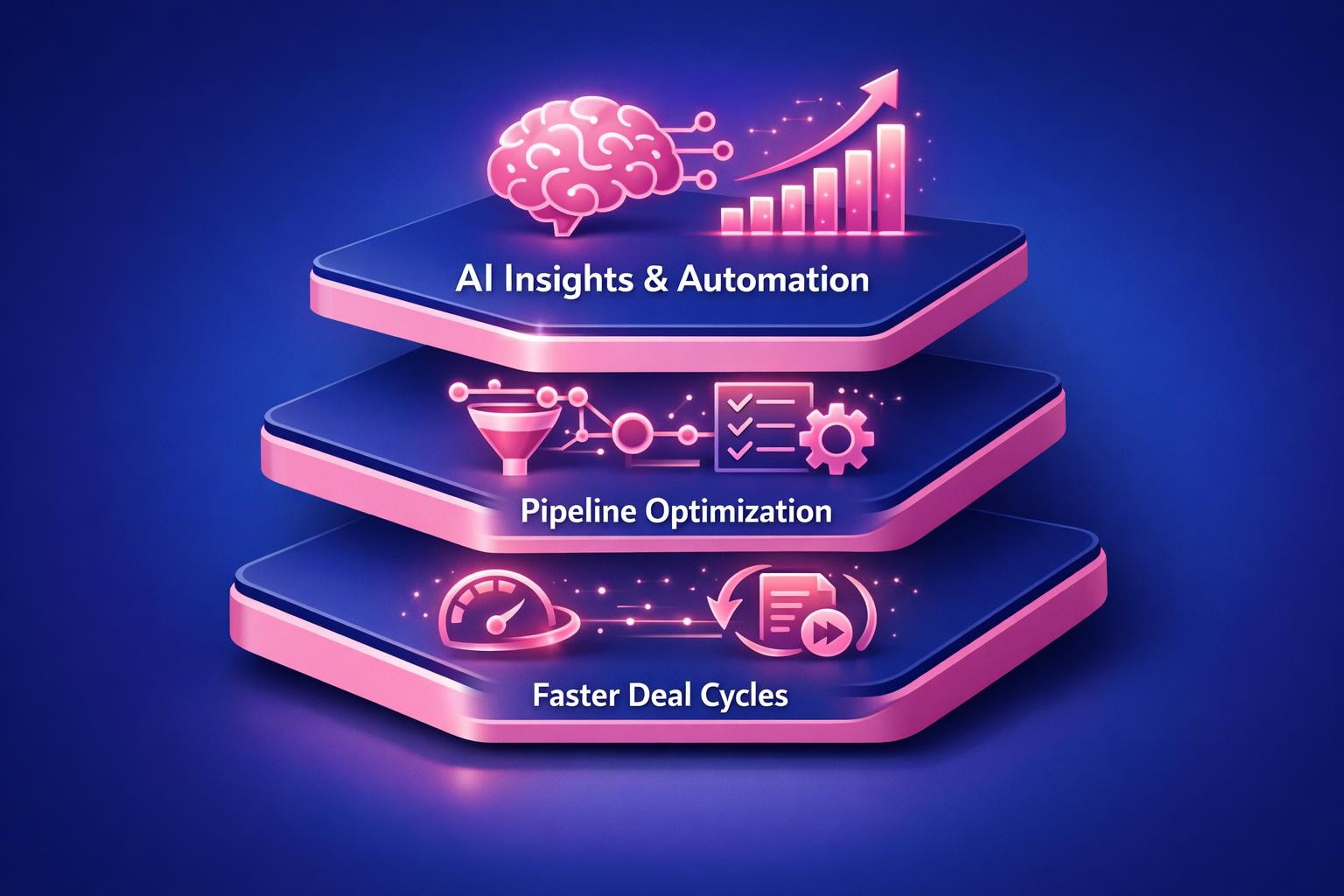
Improving AI and Deal Velocity requires a documented operating model, clear ownership, useful deal data, consistent coaching, and a feedback loop that turns deal evidence into process improvements.
Why AI and Deal Velocity Breaks Down
The conventional approach to AI and Deal Velocity in B2B sales is reactive rather than deliberate. Teams piece together a process from tribal knowledge, manager intuition, and existing playbooks. This can create inconsistent execution and make it difficult for leadership to identify why opportunities progress or stall.
Another common mistake is treating deal acceleration as a project with a start and end date. Manage it instead as an ongoing operating discipline with permanent ownership, standing reviews, defined metrics, and quarterly improvement goals.
Define the Operating Model
Document Excellent Execution
Write down what excellent execution looks like at each stage of a deal. Include the relevant milestones, criteria, actions, and responsibilities. An operating model for AI and Deal Velocity should answer three questions: what actions should happen, at what stage, and who is accountable.
Teach the documented process through workflows and manager reinforcement. Treat the playbook as a working document that can be updated when supported win-loss findings reveal a useful change.
Assign Permanent Ownership
Assign a permanent owner to AI and Deal Velocity outcomes. The owner should coordinate goals, metrics, review meetings, and process updates across the revenue team. Keep ownership focused on outcomes rather than activity volume alone.
Make the Review Weekly
Include AI and Deal Velocity in the weekly pipeline agenda. Use the review as a structured conversation about what needs to change during the next seven days, not merely as a status report. Connect the discussion to live opportunities, leading indicators, and specific next actions.
Audit Current Deal Performance
Before changing the process, establish an honest baseline. Pull the last six months of deal data, map opportunities against the relevant stages, and identify where deals are falling out and why. Review the results by representative, segment, and deal size where those distinctions are useful.
Ask where AI and Deal Velocity is working, where it is breaking down, and what the data says compared with the prevailing narrative. Use the assessment to prioritize two or three specific improvements. Give each improvement an owner and a measurable goal, then review the results after 90 days.
Inspect Three Sources of Revenue Leakage
Examine whether unsuitable opportunities are entering the pipeline, qualified deals are stalling during the cycle, or late-stage deals are encountering process failures such as procurement surprises, unstated objections, or stakeholder concerns. Treat these as diagnostic categories and verify their presence with your own deal evidence.
Evaluate the Broader Business Case
When evaluating an AI and Deal Velocity program, examine its relationship to ramp time, average deal size, customer-acquisition cost, and forecast accuracy. Use your own baseline and measured results to determine whether a process change affects any of these areas.
Review the Buying Experience
In markets where a product is differentiated but not unique, evaluate AI and Deal Velocity as a competitive variable. Review whether the buying process builds trust, addresses perceived risk, and gives stakeholders the information they need to make decisions.
Review Team Development
Documented expectations, playbooks, and deal-specific coaching provide a structure for developing revenue-team skills. Evaluate team development alongside process performance without assuming a specific hiring, retention, or performance result.
Measure Progress, Not Activity Alone
Lagging metrics such as win rate and quota attainment describe completed outcomes. Leading indicators can help teams inspect what is happening before a deal closes. Depending on the operating model, those indicators might include stakeholder engagement, content consumption, mutual action plan progression, or velocity at each stage.
Define three to five leading indicators and track them weekly. Also inspect conversion rates, time in stage, stage progression velocity, buyer engagement quality, and stakeholder coverage breadth. Select indicators that are relevant to the documented process and can be interpreted consistently.
Build a Practical Dashboard
Build a dashboard that presents both leading and lagging indicators. Review it weekly and connect it to coaching conversations and territory reviews. When the data conflicts with intuition, investigate the discrepancy before changing the process.
Coach With Live Opportunities
Review live opportunities with each representative, identify where execution is breaking down, and work through the next action in context. This keeps coaching tied to observable deal evidence rather than generic instruction alone.
Capture Win-Loss Intelligence
Capture deal findings through post-deal interviews, CRM data analysis, and structured win-loss reviews. Feed supported findings back into playbooks, training, and strategy.
For a significant loss, conduct a structured review with the representative, document the specific breakdowns identified during the discussion, and update the relevant playbook when the evidence supports a change.
Correct Common Execution Mistakes
Reduce Single-Contact Risk
Do not build the entire deal relationship around one stakeholder. Map the buying-committee stakeholders, assign coverage, and track engagement with each relevant contact. Flag deals with only one active contact as high risk and investigate the coverage gap.
Separate Activity From Progress
Email, call, and task volume can be high even when an opportunity is not progressing. When activity is high but outcomes are poor, investigate what is happening inside the deal instead of simply requesting more activity.
Align Technology With the Process
Technology should support the AI and Deal Velocity process rather than define it. Evaluate each tool by asking whether it makes the documented process easier and more consistent or adds friction. Where relevant, examine how data moves among the CRM, engagement platform, and deal room.
Revspire Deal Acceleration is the deal-room product resource identified in the source material.
Create a Continuous Feedback Loop
Review AI and Deal Velocity metrics against targets, update playbooks when supported findings emerge, and solicit buyer feedback about the experience. Use those inputs to choose the next part of the operating model to test or improve.
Put the Framework Into Practice
Start with a six-month baseline. Define excellent execution, document the operating model, assign permanent ownership, and establish a weekly review. Then select relevant indicators, coach with live opportunities, improve stakeholder coverage, conduct structured win-loss reviews, and revise the process when deal evidence supports a change.