Revspire blog
The Biggest CS and Sales Alignment Mistakes Costing Your Team Deals in 2026
Learn five common CS and Sales alignment mistakes and how shared standards, clear ownership, deal reviews, coaching, and feedback can help teams address them.
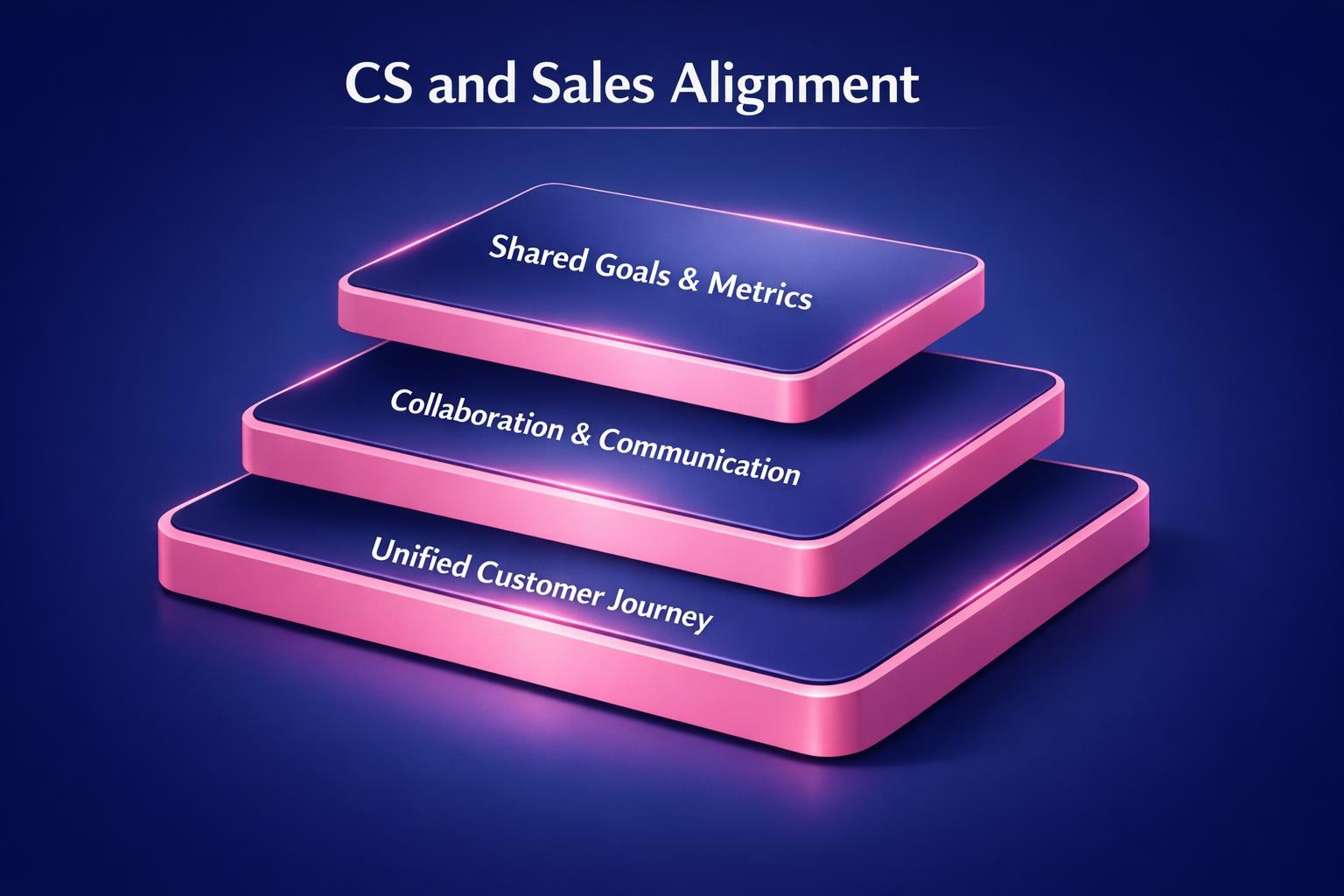
CS and Sales alignment should be treated as an ongoing operating discipline. Sales and Customer Success teams can strengthen coordination by defining shared standards, reviewing leading indicators, assigning clear ownership, and learning from completed deals.
Five CS and Sales Alignment Mistakes to Fix
1. Treating alignment as a one-time initiative
A temporary initiative can lose momentum when day-to-day pipeline pressure takes over.
The fix: Assign a permanent owner, add standing reviews to the operating cadence, define metrics, and set quarterly improvement goals.
2. Relying on intuition instead of data
Decisions based on a few memorable deals may not reflect the full portfolio.
The fix: Define three to five leading indicators and track them weekly. Investigate discrepancies between the data and the team’s assumptions. Relevant indicators may include stakeholder engagement, content consumption, mutual action plan progression, deal velocity, and time in stage.
Teams evaluating tools for deal-level visibility can review Revspire Customer Intelligence.
3. Building the relationship around one stakeholder
A deal can become fragile when only one stakeholder is active.
The fix: Map the buying committee, assign coverage, track engagement across contacts, and flag opportunities with only one active relationship for review by both Sales and Customer Success.
4. Confusing activity with progress
Email, call, and task volume can look healthy even when an opportunity is not advancing.
The fix: Measure outcomes, not activities. Track stage progression, engagement quality, stakeholder coverage, conversion rates, and time in stage. When activity is high but outcomes are weak, review the deal before requesting more activity.
5. Failing to learn from losses
Without a structured review, teams may repeat the same coordination and execution problems.
The fix: Review significant losses, document the specific breakdowns, and use the findings to update playbooks, coaching, qualification criteria, and strategy.
Build a Shared Operating Model
Before you can improve CS and Sales Alignment, you need an honest baseline. Review recent opportunities and identify where coordination worked, where it broke down, and where deals stalled or left the process.
An operating model should answer three questions: what actions should happen, at what stage, and who is accountable. Document clear milestones, stage criteria, ownership, and shared terminology so Sales and Customer Success can apply the same standards.
Use a Focused Starting Plan
Start with an honest audit. Compare the available deal data with the team’s narrative, then prioritize two or three improvements. Give each improvement an owner, a measurable goal, and a 90-day review cadence.
Seven Practices for Sustaining Alignment
- Define excellent execution. Document what good coordination looks like at each stage.
- Track leading indicators. Review buyer and deal signals before lagging metrics confirm a problem.
- Add alignment to the weekly cadence. Use pipeline reviews to decide what should change during the next seven days.
- Coach at the deal level. Review live opportunities and address coordination gaps in context.
- Capture win-loss intelligence. Feed lessons from completed deals into playbooks, training, and strategy.
- Make technology support the process. Technology should serve the customer success sales expansion alignment process, not define it.
- Create feedback loops. Review metrics against targets and update the process when the evidence changes.
Put the Process Into Practice
Use shared standards, deal-level reviews, clear ownership, and structured feedback to keep Sales and Customer Success coordinated throughout the revenue process.
See how Revspire helps B2B revenue teams eliminate these patterns