Revspire blog
The Biggest Deal-Level Forecasting Mistakes Costing Your Team Deals in 2026
Review five deal-level forecasting mistakes and a practical checklist for ownership, indicators, weekly reviews, coaching, and win-loss feedback.
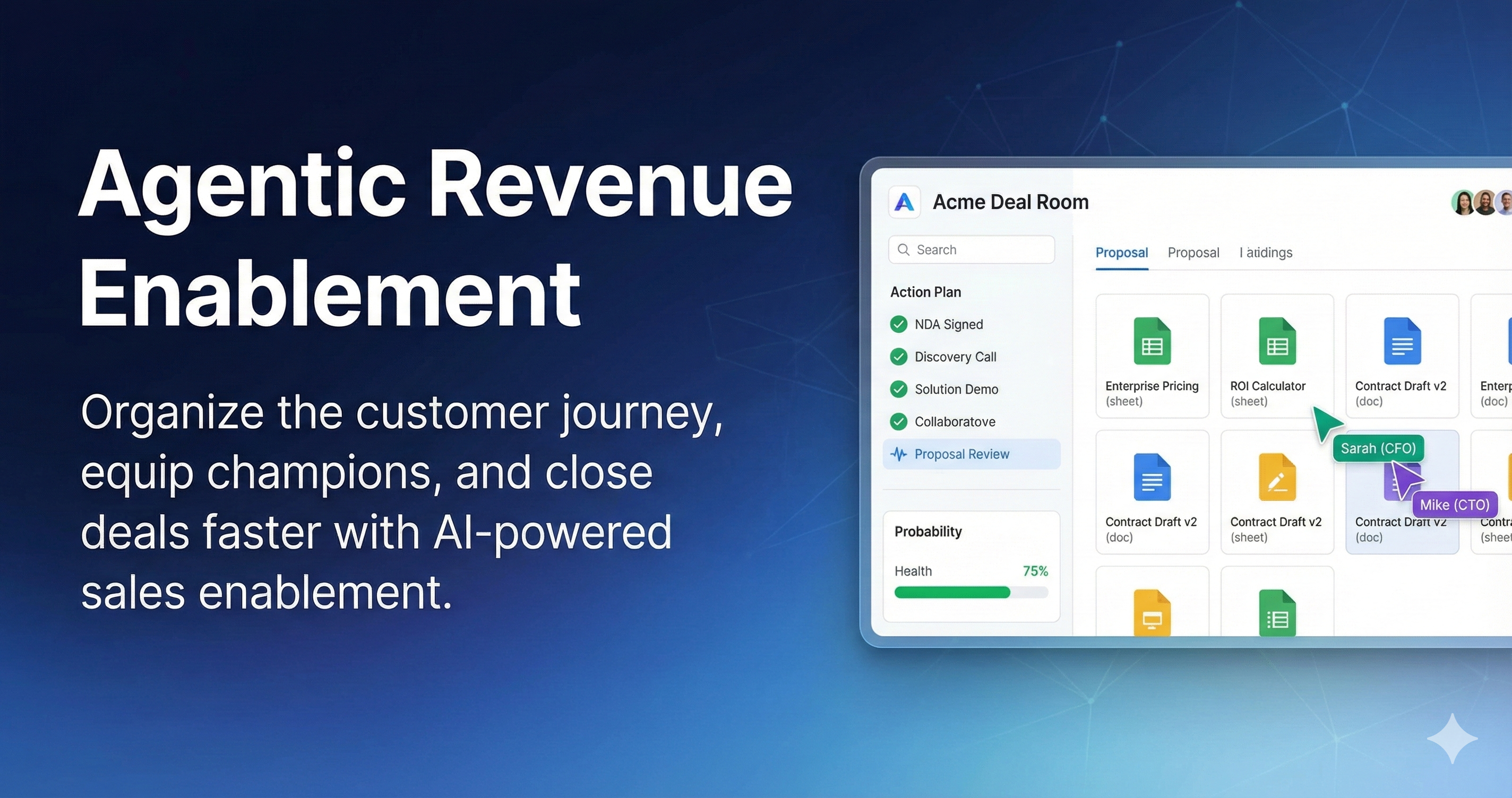
Across the supplied Revspire articles, the recurring editorial recommendation is to treat Deal-Level Forecasting as an ongoing operating process rather than a one-time initiative. The sources organize that process around ownership, documented criteria, indicators, weekly reviews, deal-specific coaching, and win-loss feedback.
Five Deal-Level Forecasting Mistakes to Correct
1. Treating Forecasting as a One-Time Initiative
The canonical source identifies treating Deal-Level Forecasting as a project with a start and end date as a mistake. Its recommended correction is to assign a permanent owner, establish defined metrics, and add standing reviews and quarterly improvement goals.
2. Relying on Intuition Instead of Deal Evidence
The canonical source recommends defining three to five leading indicators and tracking them weekly. Another source lists possible indicators such as stakeholder engagement rates, content consumption, mutual action plan progression, and deal velocity at each stage.
3. Building the Relationship Around One Stakeholder
The canonical source identifies building the entire relationship around a single stakeholder as a mistake. Its recommended correction is to map the stakeholders in the buying committee, assign coverage, and track engagement with each one.
4. Confusing Activity with Progress
The source’s concise rule is: Measure outcomes, not activities. It recommends tracking stage progression velocity, buyer engagement quality, and stakeholder coverage breadth for coaching conversations and pipeline reviews.
5. Failing to Learn from Losses
The canonical source recommends a structured loss review process for significant lost deals, with documented findings and corresponding playbook updates.
A Source-Based Operating Checklist
Establish a Baseline
Start with an honest audit. Before you can improve Deal-Level Forecasting, you need an honest baseline. The source material recommends reviewing deal data by representative, segment, deal size, and pipeline stage to identify where opportunities leave the pipeline.
Document the Operating Model
One source defines the operating model through three questions: what actions should happen, at what stage, and who is accountable. Another recommends writing down what excellent execution looks like at each stage of the deal.
Review Leading and Lagging Indicators
The supplied articles distinguish leading indicators from lagging metrics. Suggested leading indicators include stakeholder engagement rates, content consumption, mutual action plan progression, and deal velocity. The cited lagging indicators include win rates, cycle times, and average deal sizes.
Build a dashboard that shows both. Review it weekly.
Use Weekly Reviews and Deal-Specific Coaching
The source material recommends a standing weekly review framed as a structured conversation about what needs to change in the next seven days. It also recommends reviewing live opportunities with each representative to identify where execution breaks down.
Align Technology and Feedback
Technology should serve the deal level forecasting revenue process, not define it. The source recommends evaluating whether each tool makes the process easier and more consistent or adds friction.
Every won and lost deal contains insights about what works and what does not in your approach to Deal-Level Forecasting. The source recommends capturing those insights through post-deal interviews, CRM data analysis, and structured win-loss reviews, then feeding them into playbooks, training, and strategy.
Use a Focused Starting Plan
One source recommends prioritizing two or three specific improvements, assigning a clear owner and measurable goal, and using a 90-day review cadence.
Related Revspire Resources
Visit Revspire Deal Intelligence for the related platform page.
See how Revspire helps B2B revenue teams eliminate these patterns