Revspire blog
The Biggest AI Outreach Personalisation Mistakes Costing Your Team Deals in 2026
Review five AI outreach personalisation mistakes and a practical framework for ownership, measurement, deal reviews, technology and feedback loops.
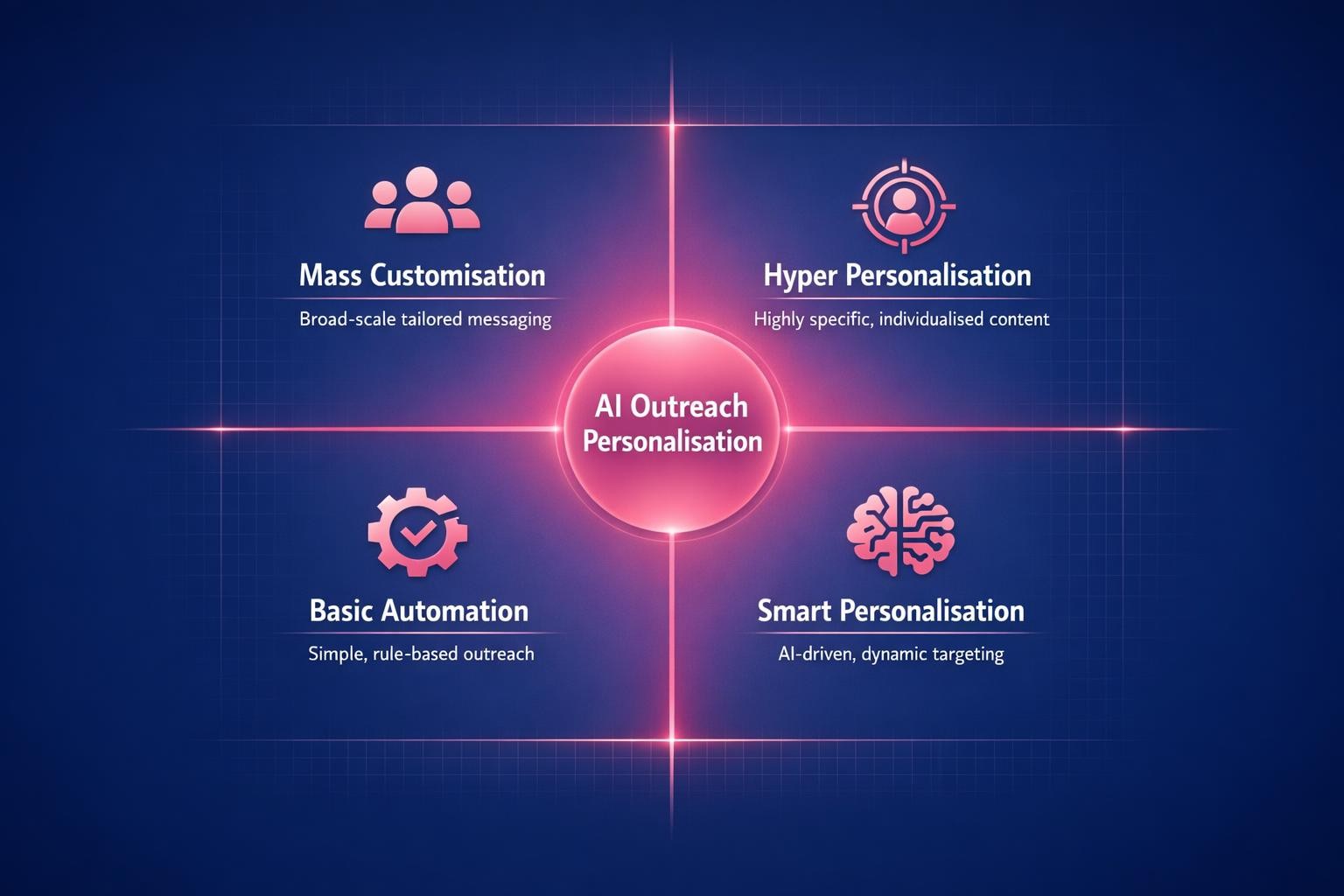
AI outreach personalisation works best as a documented operating discipline rather than an isolated campaign. Clear ownership, consistent review practices, deal-level evidence and structured feedback can help teams identify execution gaps and decide what to improve.
Where AI outreach personalisation can break down
Outreach processes can become inconsistent when teams rely on informal knowledge, undocumented expectations or individual judgement alone. Weak qualification may consume selling time, limited stakeholder coverage may leave an opportunity exposed, and activity reporting may obscure whether a buyer is progressing.
These risks are easier to examine when the team uses shared definitions, reviews deal evidence and records what it learns from completed opportunities.
Five mistakes to address
1. Treating personalisation as a one-time initiative
A programme can lose consistency when daily pipeline work displaces it. Treating personalisation as an ongoing process gives the team a basis for maintaining standards and reviewing execution.
The fix: Assign an accountable owner, document the operating expectations and review the approach at a regular cadence. Update the playbook when deal reviews or buyer feedback reveal a useful change.
2. Relying on intuition without reviewing deal evidence
Recent or memorable opportunities may not represent the wider portfolio. Managerial judgement can instead be considered alongside consistently collected deal information.
The fix: Select a focused set of indicators relevant to the sales process. Candidate leading indicators include stakeholder engagement, content consumption, mutual action plan progression and deal velocity. Outcome measures can include conversion rates, cycle times, win rates and deal sizes.
3. Building the relationship around one stakeholder
An opportunity may become vulnerable if its only active contact disengages, changes roles or leaves the organisation.
The fix: Map the known buying stakeholders, assign relationship coverage and record engagement across those contacts. Opportunities with only one active contact can be flagged for review rather than advanced solely on an individual assessment.
4. Confusing activity with progress
Email, call and task volumes do not by themselves show that an opportunity is advancing. High activity can occur alongside limited stakeholder coverage or extended time in a stage.
The fix: Measure outcomes, not activities. Review stage progression, engagement quality, stakeholder breadth and time in stage. When activity and outcomes do not align, examine the opportunity before prescribing additional activity.
5. Failing to learn from completed deals
Moving directly to the next opportunity can leave useful information from wins and losses undocumented.
The fix: Use structured win-loss reviews to record observations about qualification, messaging, stakeholder engagement and process execution. Relevant findings can then inform playbooks, coaching and future tests.
Build an operating framework
Start with an honest audit. Before you can improve AI Outreach Personalisation, you need an honest baseline. Review recent deal records by representative, segment, deal size and stage. Note where opportunities stall or leave the pipeline and use those observations to prioritise a manageable set of changes.
Define the standard
Document what expected execution looks like at each stage, including stakeholder coverage, evidence of buyer engagement and agreed next actions. A shared definition gives managers and representatives a consistent reference point.
Assign ownership
Name an accountable leader and identify who maintains the playbook, reviews the selected measures and records agreed changes. The process should be clear enough to use in routine deal and pipeline reviews.
Connect stages to useful information
Specify what information should be available at each stage and how it will inform the next decision. Review behavioural indicators alongside completed outcomes rather than using raw activity counts as the only measure.
Evaluate technology against the process
The technology layer for AI Outreach Personalisation should reduce friction, not add it. Technology should serve the AI outreach personalisation B2B process, not define it.
Assess each tool according to whether it supports the documented workflow, reduces avoidable manual updates and makes relevant deal information available for review. Product information is available from Revspire AI Intelligence.
Use a repeatable review cadence
- Define expected execution: Record the requirements for each deal stage.
- Select relevant signals: Review behavioural indicators alongside revenue outcomes.
- Schedule recurring reviews: Include personalisation execution in the pipeline cadence.
- Coach with live examples: Discuss specific execution gaps in active opportunities.
- Capture win-loss observations: Preserve findings from completed deals.
- Review the technology stack: Identify friction and unnecessary manual work.
- Maintain feedback loops: Revise measures, playbooks and coaching when new observations support a change.
Review whether changes are working
Create a dashboard that places selected behavioural indicators beside outcomes such as conversion rates, cycle times and deal sizes. Use the review to identify changes that merit investigation rather than assuming that a single measure explains performance.
Record what was changed, when it was changed and what happened afterward. Those observations can inform later coaching, process reviews and playbook revisions.