8 Best Win-Loss Analysis Software Tools and Services in 2026
A practical perspective for connecting this idea to your revenue team’s next move.
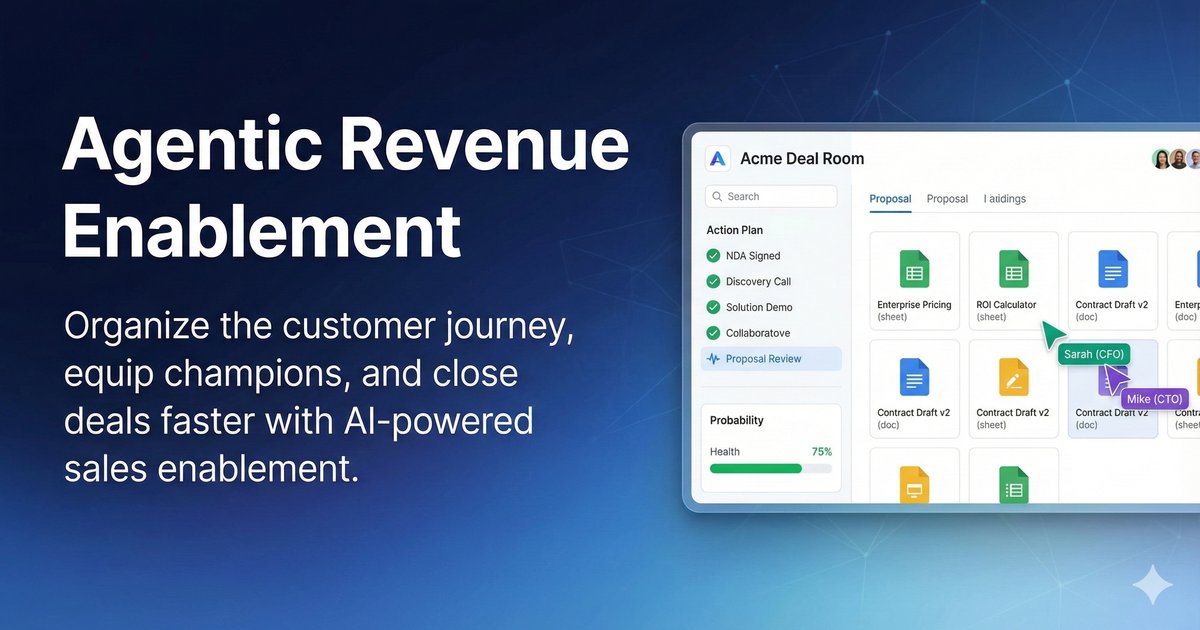
The best win-loss analysis software in 2026 depends on whose voice you need. Interview platforms (Clozd, Klue Win-Loss, Primary Intelligence) collect and analyze buyer feedback and also sell analyst-run interviews; CI, revenue and enablement tools (Crayon, Gong, Kompyte, Revspire) find win-loss patterns in deal and call data you already have; research firms such as Anova run the whole program for you.
Many programs combine two types. Below are eight tools grouped by type, each with what is software and what is a service, what the vendor publishes about pricing and one limitation.
Last updated: 20 October 2026
Disclosure: Revspire publishes this list and is one of the tools on it. Tools are grouped by type, with each vendor’s own published information checked on 20 October 2026.
What is win-loss analysis software?
Win-loss analysis software helps sales, product marketing and product teams learn why B2B deals are won or lost across many deals, not in one-off post-mortems (see our win-loss analysis glossary entry). It does four jobs:
- Collects feedback: live or AI-led buyer interviews, surveys at close, seller debriefs and call recordings.
- Codes it: transcription, tagging and themes, mostly AI-assisted with a person checking.
- Reports decision drivers, loss reasons by competitor and segment, and win rate trends.
- Delivers findings to the CRM, Slack or Microsoft Teams, battlecards and enablement content.
Why CRM loss reasons are not enough
Clozd’s win-loss analysis software page (Clozd’s own data, with no study date or sample shown, checked 20 October 2026) says buyer and seller reasons for lost deals align only 15% of the time, and that nearly 70% of buyers report a different primary competitor from the one in their CRM. Revspire’s B2B win/loss benchmark (aggregated customer CRM data, at least 10 organizations per figure, 12 months to October 2026, last updated 17 October 2026) found that 38% of deals recorded as lost on price also showed another engagement gap, such as no economic-buyer view. That is a correlation, not proof the gap decided the deal.
Platform, service or module?
- Win-loss platforms are software for running buyer interviews and surveys and analyzing the answers; most also sell interviews run by their own staff.
- Research services are outside firms that interview your buyers and deliver the analysis, often with a client portal.
- Win-loss modules in competitive intelligence (CI) and revenue tools analyze CRM and call data you already have, with no post-decision buyer conversation.
When a vendor says “automated win-loss analysis”, ask which step is automated: outreach, the interview, coding or reporting.
How to choose win-loss analysis software
- Feedback source: buyer interviews, surveys, seller debriefs, or deal and call data only.
- Who runs it: software you operate, a managed program, or a mix by deal size.
- Coverage versus depth: short AI interviews for many deals, live interviews for strategic ones.
- Analysis: a shared theme list, decision drivers, quotes, and a human review of AI tags.
- Delivery: whether findings reach the CRM, chat tools, battlecards and enablement, or stay in a report.
- Data requirements: CRM and call-recorder integrations, and any minimum closed-deal volume.
- Pricing model: per interview, per program, per user or per module.
Delivery decides whether findings change anything. In Revspire’s B2B win/loss benchmark (12 months to October 2026), the median time from a win/loss finding to a published enablement change was 21 days, counting only findings that led to a change at all.
Win-loss analysis software compared
Tool
Type
Best for
Key capabilities
Pricing as published
One limitation
Anova
Research service
Senior-buyer interviews across regions
Executive phone interviews, analyst synthesis, myView portal
None shown
No software-only option described
Clozd
Platform plus managed program
Software and, if wanted, interviews run for you
Live and AI-assisted interviews; AI tagging; Decision Analysis
No prices shown; software-only plans exist
Fully AI-led interviewer in beta, coming soon
Crayon
CI platform module
Tying win rates to battlecard use
Win rates by competitor, win and loss reasons, influenced revenue
Tailored; request an estimate
No interviews or surveys described
Gong
Revenue intelligence module
High-volume teams recording calls
Win rates by contacts, seniority, size, calls, competitor mentions
Per user plus platform fee; no amounts
Needs 100+ qualifying closed deals per insight
Klue Win-Loss
Platform plus interview services
Win-loss and CI in one program
Deal story agent, AI Interviewer, expert and Blindspot interviews
No prices; demo
AI Interviewer FAQ: seller interviews only at launch
Kompyte by Semrush
CI tool module
Measuring battlecard impact on win rates
Automated win/loss calculations, win rates with and without battlecards
Three annual plans; no prices shown
Buyer research via a partner
Primary Intelligence
Platform plus live interviews
Survey feedback on many closed deals
Automated feedback requests at close, dashboards, alerts
None shown
No AI analysis described
Revspire
Enablement platform module
Turning findings into plays and practice
AI win/loss analysis of the deal and call data you bring in; battlecards; messaging
Per module, unlimited users; quoted
No buyer interviews described; Conversation Intelligence coming soon
Pricing as shown on each vendor’s own site, checked 20 October 2026.
Win-loss platforms with optional interview services
These vendors sell software to collect and analyze buyer feedback, and each also sells interviews run by its own people.
Clozd
Clozd calls itself an AI feedback engine for revenue teams, covering win-loss, churn and customer feedback (Clozd homepage, checked 20 October 2026).
- Software: the Clozd Platform automates outreach, transcribes and summarizes interviews, tags them with AI and adds a Decision Analysis agent that surfaces success and risk drivers; it also lists Ask Clozd and a Clozd MCP, and findings go to Slack, Teams, the CRM and email. Its Flex AI interviews play your pre-recorded questions while AI asks follow-ups. Named integrations include Salesforce, HubSpot, Microsoft Dynamics, Gong and Crayon. Software-only plans exist for teams that run their own interviews.
- Services: the Clozd Program assigns a program manager who consults on program design, conducts interviews and writes reports, while Clozd handles outreach, scheduling and incentives; Clozd says it has done more than 50,000 interviews. Live interviews run 30 minutes with a Clozd interviewer.
- Pricing: no pricing page in the site navigation; buyers use an ROI calculator or “Talk with us” (checked 20 October 2026).
- Limitation: Flow, the fully AI-led interviewer, is labeled beta and coming soon, so today’s AI option relies on questions you record in advance.
- Choose it if: you want interviews run for you now, with the option of software-only later, or live interviews for big deals and AI for the rest.
Klue Win-Loss
Klue sells win-loss in the same platform as its competitive intelligence product (checked 20 October 2026). On 18 January 2023 Klue announced the acquisition of DoubleCheck Research, which it said delivers win-loss research and analysis services and technology (Klue blog).
- Software: a Win & Loss Story Agent writes a recap of each closed competitive deal from CRM data and call recordings, including Gong recordings; Ask Klue answers questions across win-loss data in Slack, Teams and via MCP; buyer themes flow into battlecards; you can upload your own recordings. The AI Interviewer runs asynchronous voice or text interviews that its FAQ says take 2 to 5 minutes.
- Services: expert-led interviews conducted by Klue’s analyst team, and Blindspot Interviews, where Klue sources and screens buyers who evaluated your competitors in deals you were not part of and runs a structured AI interview, with a typical turnaround of two weeks.
- Pricing: the Klue pricing page shows no plans or prices and offers a demo (checked 20 October 2026).
- Limitation: the AI Interviewer FAQ says that at launch it supports internal seller interviews only, so confirm buyer interviews are available before you plan on them.
- Choose it if: a product marketing or CI team wants win-loss findings feeding the same battlecards and competitive program.
Primary Intelligence (TruVoice)
Primary Intelligence sells TruVoice, which its homepage calls a fully automated win-loss analysis tool, citing 20+ years of win-loss analysis (checked 20 October 2026). A Riverside Company release (23 February 2023) says Riverside invested in Primary Intelligence as an add-on investment to its platform, Corporate Visions.
- Software: when a deal closes in your CRM, TruVoice sends buyers automated feedback requests and compiles answers on sales experience, decision drivers, product, price, positioning and competitors into reports and dashboards. Corporate Visions’ Buyer Insights page adds outcome-triggered surveys, automated alerts and links from buyer feedback to seller coaching; its win-loss analysis page names Salesforce, Gong and enablement platforms as TruVoice integrations.
- Services: for select deals, the Corporate Visions team conducts and analyzes live interviews, with expert-led analysis that turns findings into specific recommendations.
- Pricing: none shown on the pages we checked; the homepage calls TruVoice affordable without figures.
- Limitation: the pages we checked describe no AI analysis, so ask how answers are coded.
- Choose it if: you want survey feedback on a large share of closed deals, with live interviews reserved for the ones that matter most.
Win-loss research services
A research service interviews your buyers and delivers the analysis: you get a neutral interviewer and little internal workload, and you pay for people’s time. The Clozd Program, Klue’s expert-led interviews and Corporate Visions’ live interviews are services of this kind, sold by platform vendors; Klue’s Blindspot Interviews pair Klue-sourced buyers with AI interviews.
Anova
Anova Consulting Group runs win/loss analysis programs for B2B companies in enterprise software and technology, financial services, healthcare and professional services, with interviews across regions in local languages (checked 20 October 2026).
- Service: in-depth telephone interviews by Executive Interviewers matched to each industry, with analysts synthesizing trends; programs usually run annually, or as a pilot over a quarter or six months (Anova FAQ).
- Software layer: the myView client portal, with natural-language questions over interview data, competitor battlecards and program dashboards.
- Pricing: none shown on the pages we checked; contact Anova.
- Limitation: no software-only option is described, and the myView page lists no integrations.
- Choose it if: your buyers are senior executives, possibly outside your home market, and you want an outside team to hold the conversation.
CI and revenue tools with win-loss modules
These tools analyze data you already have: closed deals, call recordings and battlecard usage. They show where you win and lose at scale but cannot report what the buyer would say after the decision, so many teams pair one with an interview source.
Crayon
- Standout capabilities: the competitive intelligence platform’s Measure module reports win rates by competitor, common reasons for wins and losses, competitive frequency, pipeline risk, each rep’s win rate against battlecard views, and influenced revenue (checked 20 October 2026).
- Pricing: Crayon’s pricing page says pricing is tailored to your CI program and usage is not limited by the number of assets or stakeholders; no figures.
- Limitation: the Measure page describes no interview or survey features; Clozd lists a Crayon integration if you need the buyer’s account.
- Choose it if: you already run competitive intelligence in Crayon and want win/loss tied to battlecard use.
Gong
- Standout capabilities: Gong’s win/loss analytics (help article updated 30 June 2026), on Forecast Essentials and Gong Forecast, compare win rate on closed deals by number of contacts, senior participation, deal duration, deal size, number of calls, competitor mentions and trackers, with drill-down to the deals behind each result.
- Pricing: the Gong pricing page says licenses are priced per user with a platform fee based on user count; no amounts (checked 20 October 2026).
- Limitation: each insight needs at least 100 qualifying closed deals in the selected period, and analysis runs weekly, so narrow segments may not qualify.
- Choose it if: you already record calls in Gong and close enough deals to compare won and lost behavior.
Kompyte by Semrush
- Standout capabilities: Kompyte, whose homepage carries Semrush branding, lists automated win/loss calculations and uses competitive revenue, competitor frequency and win rates with and without battlecards, through bi-directional CRM integrations (checked 20 October 2026).
- Pricing: the plans page names Essentials, Professional and Unlimited annual plans with no prices; price depends on competitors tracked, licenses and SSO needs (checked 20 October 2026).
- Limitation: buyer win/loss research comes through its research partner IcebergIQ rather than a built-in interview tool.
- Choose it if: your main question is whether competitive enablement changes win rates.
Revspire
Revspire is an AI sales enablement platform. Its AI Playbook Engine builds approved battlecards, objection plays, win/loss insights and messaging with AI grounded in approved revenue knowledge.
- Standout capabilities: AI win/loss analysis of the deal and call data your team brings in; AI playbook drafting with grounding and approval routing; seller-ready battlecards; role-specific messaging published across seller workflows; playbook usage and performance analytics. In AI Sales Training & Coaching, reps practice deal-specific objections with battle cards in AI role-play.
- Pricing: priced per module rather than per seat, with unlimited user licenses; Content Hub is the base module. Pricing is quoted by sales.
- Limitation: Revspire’s Conversation Intelligence module is listed as coming soon, so its win/loss analysis uses deal and call data you bring in; it describes no buyer interviews, so pair it with an interview source.
- Choose it if: your bottleneck is acting on findings: getting them into approved battlecards, messaging and practice without cost rising for every seller.
Can you build win-loss analysis yourself?
Yes, for a first program: required closed-lost reason and competitor fields in the CRM, call recordings for lost deals, and a short survey from a tool such as SurveyMonkey, which publishes a win/loss analysis survey template, or Qualtrics, coded against a shared theme list. The limits are low buyer response, sellers interviewing their own buyers, and manual coding time. Our guide to automated win-loss analysis covers program design and questions, and our win-loss statistics page collects published figures with sources.
Which win-loss tool fits which team?
Your situation
Start with
Why
No one to run interviews internally
Clozd Program or Anova
Outside interviewers handle outreach, interviews and analysis
A team ready to run its own interviews
Clozd software-only or Klue Win-Loss
Interview, coding and sharing tools you operate
Win-loss and CI in one program
Klue Win-Loss
Findings flow into battlecards and deal guidance
Feedback from most closed deals
Primary Intelligence
Automated surveys at close, live interviews for select deals
High deal volume, calls in Gong
Gong
Won and lost behavior from data you already have
CI program measuring battlecard impact
Crayon or Kompyte
Win rates by competitor and battlecard use
Findings that should change plays and practice
Revspire plus an interview source
Win/loss insights, battlecards and role-play share one approved source
How we checked these tools
We opened each vendor’s own product, pricing and help pages on 20 October 2026 and used only what they state; ownership facts come from dated vendor or investor announcements. We used no review-site ratings, customer counts or “#1” claims; where a vendor shows no price, we say so.
Frequently asked questions
What is the best win-loss analysis software?
It depends on the job. For buyer interviews with optional analyst support, compare Clozd, Klue Win-Loss and Primary Intelligence; for patterns in deal and call data, Gong, Crayon, Kompyte or Revspire; for a fully outsourced program, a service such as Anova. Many teams pair an interview source with a deal-data tool.
What is the difference between Clozd and Klue?
Both sell win-loss software plus interviews by their own staff. Clozd is built around win-loss and customer feedback, with a managed program and live and AI-assisted interviews. Klue runs win-loss inside its competitive intelligence platform, adds AI deal recaps from CRM and call data, and offers interviews with buyers from deals you were not in. Neither shows prices on the pages we checked.
How much does a win-loss program cost?
No vendor here shows a win-loss price on the pages we checked. Cost depends mostly on who conducts interviews, so ask vendors to price analyst-run interviews and AI or survey collection separately; Clozd offers software-only plans. Deal-data modules follow the host product’s pricing, such as Gong’s per-user licenses plus a platform fee.
Can you automate win-loss analysis?
Partly. Software now automates outreach, transcription, tagging and deal recaps, and AI-assisted or AI-run interviews from Clozd and Klue extend coverage to more deals. People still set the questions, check AI tags and decide what to change.
How do you do win-loss analysis without interviews?
Analyze closed deals you already have: Gong compares win rates by contacts, deal size and competitor mentions; Crayon and Kompyte report win rates by competitor and battlecard use; Revspire analyzes the deal and call data you bring in. Treat CRM loss reasons with care: Clozd’s own data puts agreement between buyer and seller loss reasons at only 15%.
Should sales reps do win-loss interviews?
Usually not for losses, because buyers may soften criticism for the rep who sold to them. Clozd, which sells third-party interviews, says (its own figure, no source given) that companies using a third party are over 2x more likely to be satisfied with feedback quality and depth. Rep input still helps as a structured debrief, which is what Klue’s AI Interviewer launched with.
Want win/loss findings to flow into approved battlecards, messaging and seller practice? Request a Revspire demo.
Sources
- Clozd homepage, Clozd, undated, accessed 20 October 2026.
- Win-loss analysis software, Clozd, undated, accessed 20 October 2026.
- Clozd Platform, Clozd, undated, accessed 20 October 2026.
- Clozd Program, Clozd, undated, accessed 20 October 2026.
- Software integrations, Clozd, undated, accessed 20 October 2026.
- Win-Loss, Klue, undated, accessed 20 October 2026.
- AI Interviewer, Klue, undated, accessed 20 October 2026.
- Blindspot Interviews, Klue, undated, accessed 20 October 2026.
- Pricing, Klue, undated, accessed 20 October 2026.
- Klue acquires DoubleCheck Research, Klue, 18 January 2023, accessed 20 October 2026.
- Primary Intelligence homepage, Primary Intelligence, undated, accessed 20 October 2026.
- Buyer Insights, Corporate Visions, undated, accessed 20 October 2026.
- Win-Loss Analysis, Corporate Visions, undated, accessed 20 October 2026.
- Primary Intelligence news release, The Riverside Company, 23 February 2023, accessed 20 October 2026.
- Win/Loss Analysis, Anova Consulting Group, undated, accessed 20 October 2026.
- Win/Loss FAQ, Anova Consulting Group, undated, accessed 20 October 2026.
- Real-time insights via myView, Anova Consulting Group, undated, accessed 20 October 2026.
- Crayon Measure, Crayon, undated, accessed 20 October 2026.
- Pricing inquiry, Crayon, undated, accessed 20 October 2026.
- Review win/loss analytics, Gong Help Center, published 12 April 2024, updated 30 June 2026, accessed 20 October 2026.
- Pricing, Gong, undated, accessed 20 October 2026.
- Kompyte homepage, Kompyte by Semrush, undated, accessed 20 October 2026.
- Plans, Kompyte by Semrush, undated, accessed 20 October 2026.
- Win/Loss Analysis survey template, SurveyMonkey, undated, accessed 20 October 2026.
- B2B win/loss benchmark, Revspire, last updated 17 October 2026, accessed 20 October 2026.